Is Health Insurance Mandatory in the UAE?
Health insurance requirements in the UAE depend on your emirate, your visa, and whether you are employed or sponsored. In most cases, having medical cover is not optional.
Two key realities for job switchers:
- If your employer provides your health insurance, your cover is usually tied to your employment status.
- Coverage gaps can happen during resignation, visa cancellation, or between offer acceptance and onboarding.
InsuranceHub has a helpful overview of recent changes here: New Insurance Regulations in UAE.
What Happens to Your Current Health Insurance When You Resign?
In most employer-sponsored setups, the company is the policyholder and you are the insured member. When you resign, HR will typically initiate cancellation or removal from the group policy based on internal process and compliance rules.
What that means for you is simple: do not assume your medical insurance stays active until your last working day. It may remain active during notice period, or it may end when your visa is cancelled, depending on the employer and insurer administration.
Does Your Employer Cancel Your Medical Insurance Immediately?
Some employers keep cover active until the end of your notice period, while others cancel coverage closer to:
- Your last working day
- Your visa cancellation date
- Your employment termination date in the payroll system
There is no single rule that applies to every company, because the timing is influenced by the group policy terms and how the employer manages leavers.
To protect yourself, ask HR:
- The exact policy end date for your membership
- Whether claims can still be submitted for treatment dates before cancellation
- How dependent cover is handled (if your dependents are under the same group plan)
Are You Covered During Your Notice Period?
Often, yes, but it is not guaranteed.
You may be covered during the notice period if:
- You are still on the employer’s payroll
- Your membership is still active in the insurer/TPA system
You may not be covered if:
- HR removes you from the policy early
- Your membership is tied to a visa status update
Because networks and e-cards can deactivate without much notice, it is wise to test coverage by checking your insurer/TPA app or calling the customer service number on your card before scheduling non-urgent treatment.
What If There’s a Gap Between Two Jobs?
A gap can happen if your old cover ends before your new employer activates your new plan. This is common when:
- The new employer has a waiting period for onboarding
- Your new policy is issued only after visa stamping
- Your start date is delayed
The risk is not only cost, it is also access. Without an active policy, you may need to pay cash at clinics and hospitals, and reimbursement is not always possible.
If you expect a gap, plan for an interim solution before your last working day.
Can You Buy Temporary Health Insurance in the UAE?
Short-term medical policies exist in the UAE, but the right option depends on your legal status:
- If you are moving to a visit visa status, visitor medical insurance may be suitable.
- If you remain a resident (or are transitioning between residence visas), you may need a resident-compliant plan rather than a visitor-only product.
The most important point is to avoid buying a policy that does not match your visa status or network needs.
If you want to compare options quickly, InsuranceHub.ae can help you evaluate an individual plan that fits your timeline and budget: Health Insurance.
Who Pays for Health Insurance After Visa Cancellation?
Once your employment ends and your employer stops providing coverage, the cost typically becomes your responsibility unless:
- Your new employer starts cover immediately, or
- Your sponsor (for example, spouse) adds you to their plan, where allowed
If your dependents are under your sponsorship, you should also plan for their coverage, because their access to healthcare and compliance needs continue even if you are between jobs.
How to Transfer Health Insurance to a New Employer
In many cases, you do not “transfer” the same policy from one employer to another, because group policies are owned and administered by each employer.
What you can do is manage continuity:
- Ask your new employer when your medical insurance will be activated
- Request plan details, network, and exclusions early
- If there will be a delay, buy an individual plan for the interim and cancel it once the new group cover is active (subject to the policy’s cancellation terms)
If you are mid-treatment or have ongoing medication, also request:
- Your medical reports and prescriptions
- A summary of benefits from the current insurer (if available)
What Happens to Dependents’ Health Insurance?
Dependents may be covered under:
- Your employer’s group plan (employee plus family), or
- Separate individual/family policies paid by you
If your dependents are on your employer’s plan, their coverage may end when you are removed from the policy. This is one of the most common “surprise gaps” during job changes.
Before you resign, confirm:
- Whether dependents are linked to your membership
- The dependent cancellation date
- Whether you can shift dependents to an individual family plan without a break
If you need family options, InsuranceHub has guidance on family cover here: Health Insurance for Family.
Important Things to Check Before Switching Jobs
Job switches are smoother when you check these early:
- Network hospitals and clinics (does it match where you live and work?)
- Co-payments for GP, specialist, pharmacy
- Chronic and pre-existing condition rules, and required disclosures
- Maternity and newborn terms (waiting periods, sublimits)
- Whether the plan is UAE-only or includes international cover
If you have ongoing conditions, it is worth speaking to an advisor before you cancel anything, because new underwriting or benefit restrictions can affect continuity.
Tips to Avoid a Coverage Gap
The easiest way to avoid gaps is to manage dates and documentation.
- Get the cancellation date from HR in writing
- Ask the new employer for the expected activation date
- If there is any uncertainty, arrange interim cover that matches your visa status
- Keep your Emirates ID, visa page, and latest medical records ready for fast enrollment
Insurance is one area where a “one week gap” can become expensive, especially if an emergency happens.
Final Thoughts: Stay Protected During Job Transitions
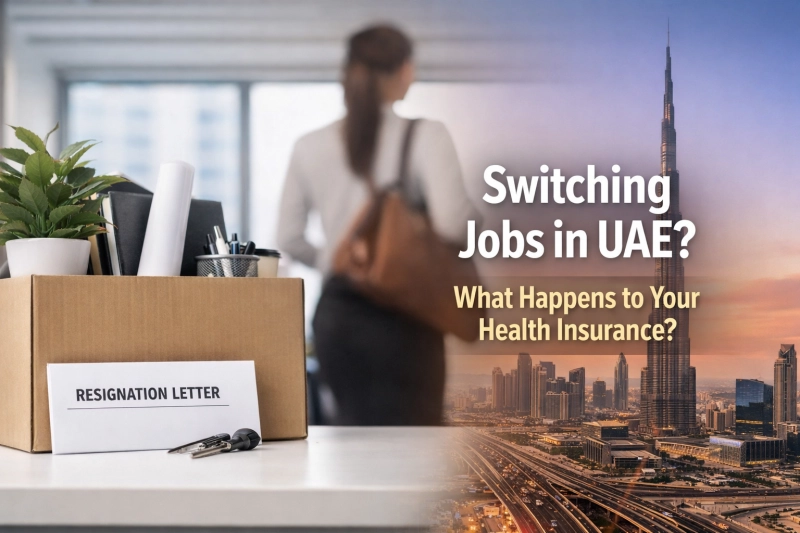
Switching jobs in the UAE is normal, but your health insurance needs active management because it is often tied to employment administration.
If you do only one thing, do this: confirm your end date and your next start date for medical coverage, then fill the gap if needed.